Guía experta
Cómo elegir un invernadero resistente al viento y la lluvia
Al invertir en un invernadero, la estabilidad es fundamental. Descubre las características esenciales que garantizan que tu santuario de jardín resista los elementos más duros de la naturaleza, protegiendo tus plantas todo el año.
Los 4 pilares de la estabilidad
Un invernadero realmente resistente al clima depende de estos componentes estructurales fundamentales que trabajan juntos.
Estructura del marco
Marcos gruesos de aluminio o acero galvanizado proporcionan la rigidez necesaria para resistir fuerzas de torsión durante vientos fuertes.
Anclaje al suelo
Estacas profundas o anclajes de hormigón evitan que la estructura se levante, crucial para mitigar la presión ascendente del viento.
Drenaje de agua
Canaletas integradas y techos inclinados garantizan que la lluvia intensa se dirija rápidamente, evitando la acumulación de peso.
Base sólida
Una base perfectamente nivelada de hormigón, madera tratada o bases especializadas garantiza una distribución equitativa del peso.
Comprende los riesgos climáticos
Conoce tu enemigo. Así es como el viento y la lluvia afectan específicamente las estructuras de los invernaderos.
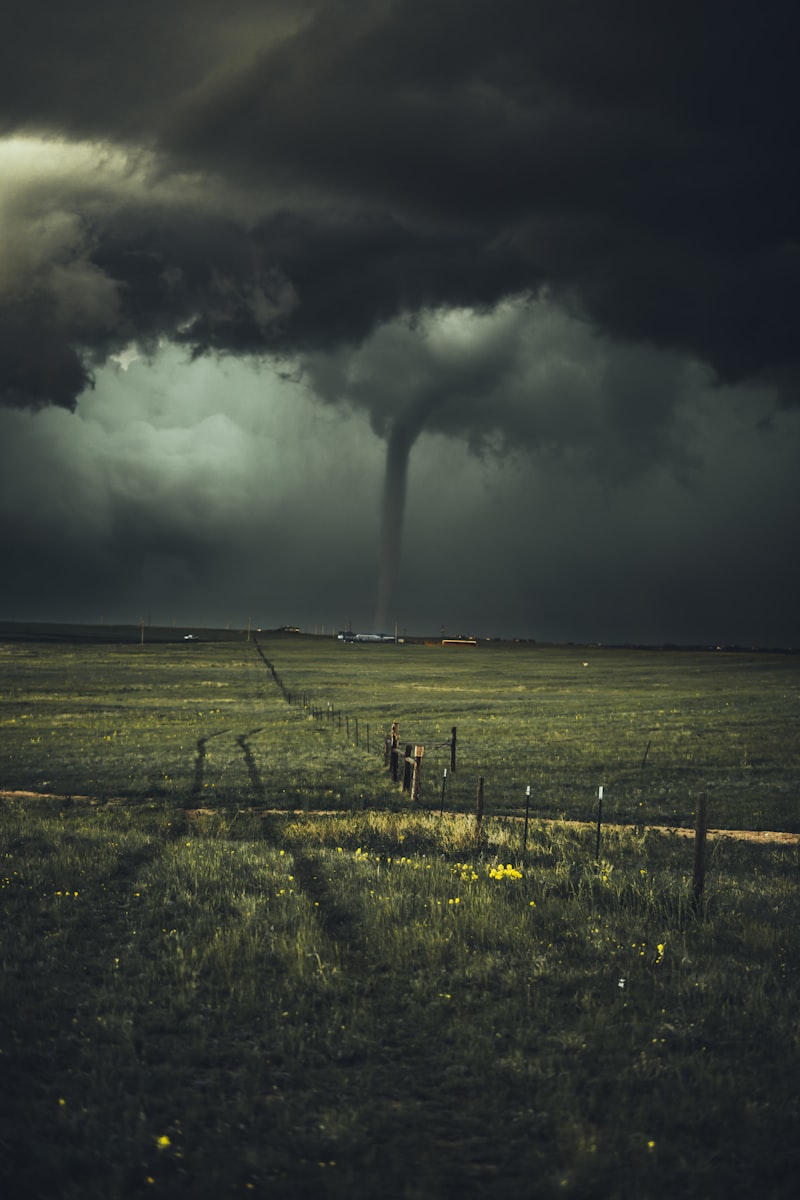
Impactos del viento
✕
Salida de paneles: Los vientos fuertes crean diferencias de presión, succionando los paneles ligeros fuera de sus marcos.
✕
Torsión estructural: Las ráfagas laterales pueden hacer que el marco se deforme si no está correctamente reforzado con crucetas.
✕
Elevación: El viento sobre el techo curvo o inclinado actúa como ala de avión, intentando levantar la estructura.
Consejo profesionalColoca tu invernadero con el extremo más estrecho hacia la dirección del viento dominante para minimizar la superficie expuesta.
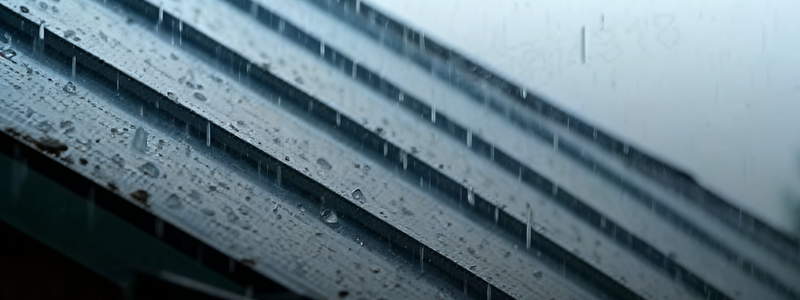
Impactos de la lluvia
✕
Acumulación de peso: El agua estancada en techos planos o mal inclinados puede hacer que los paneles se doblen o colapsen.
✕
Erosión de la base: Un drenaje deficiente alrededor de la base lava el suelo, desestabilizando toda la estructura.
✕
Óxido y corrosión: La humedad prolongada en marcos no galvanizados o mal recubiertos provoca un deterioro rápido.
Consejo profesionalLimpia siempre las canaletas antes de las temporadas de tormentas. Considera un drenaje francés alrededor en zonas de mucha lluvia.
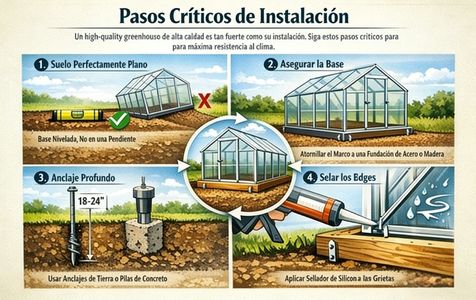
Pasos cruciales de instalación
Un invernadero de calidad solo es tan fuerte como su instalación. Sigue estos pasos para máxima resistencia al clima.
1
Suelo perfectamente plano
Nunca construyas en pendiente. Una base nivelada evita tensiones desiguales que hacen que los paneles salgan con vientos fuertes.
2
Fija la base
Usa una base de acero o un perímetro de madera/hormigón. Atornilla el marco del invernadero directamente a esta base.
3
Anclaje profundo
Usa anclajes de al menos 45-60 cm de profundidad. En zonas muy ventosas, coloca postes anclados en hormigón.
4
Sella los bordes
Aplica silicona donde los paneles se unen al marco para evitar que el viento penetre y el agua se filtre.